Tunisia is not simply a gateway to Africa; it is an age-old crossroads where the blue of the Mediterranean merges with the gold of the desert. In 2026, the country confirms its place as one of North Africa’s most magnetic and well-rounded destinations, offering a journey through geological and historical eras in just a few hours’ drive. Here, the remains of glorious classical civilisations sit alongside Berber villages carved into the rock and luxury resorts overlooking dazzling white beaches. Visiting Tunisia today means embarking on a total adventure, where Maghrebi hospitality and the scent of spices create an atmosphere suspended in time.
Here are the 7 main reasons why Tunisia should be your top priority in 2026.
1. History and archaeology: an open-air museum
Tunisia is a genuine treasure chest of antiquity. The ruins of Carthage, once a maritime power that challenged Rome, now offer an evocative trail through ancient Punic harbours and Roman villas overlooking the sea. But the wonder continues inland: the Roman amphitheatre of El Jem,
a UNESCO World Heritage Site, is one of the best-preserved colosseums in the world, still able to evoke the grandeur of the gladiatorial games today.
In 2026, the archaeological site of Dougga remains an essential stop for anyone seeking authenticity: a perfectly preserved Roman city among centuries-old olive groves, where the Capitol and the Theatre still seem to await their ancient inhabitants. Every stone in Tunisia tells of centuries of passing peoples: from the Phoenicians to the Romans, from the Vandals to the Byzantines, right up to the glorious Arab-Islamic era, making every excursion a chapter of living history.
2. Culture and traditions: the Mediterranean mosaic
Tunisia is a fascinating blend of Berber and Arab traditions and European influences. This cultural richness comes vividly to life in the bustling souks of Tunis, Sousse and Kairouan. Getting lost in the covered alleyways means discovering the excellence of local craftsmanship: from the carpets of Kairouan, famous for their incredibly dense knots, to the glazed ceramics of Nabeul, as well as leather and silver work.
Taking part in a tea ritual in a traditional maison d’hôte or watching the sponge fishermen of Djerba lets you connect with a deep and proud popular soul. Tunisian culture in 2026 is an example of successful syncretism, where the modernity of the cities is in constant dialogue with the slow pace of inland villages, offering travellers an unrivalled variety of human encounters.
3. Wonderful beaches: relaxation in crystal-clear waters
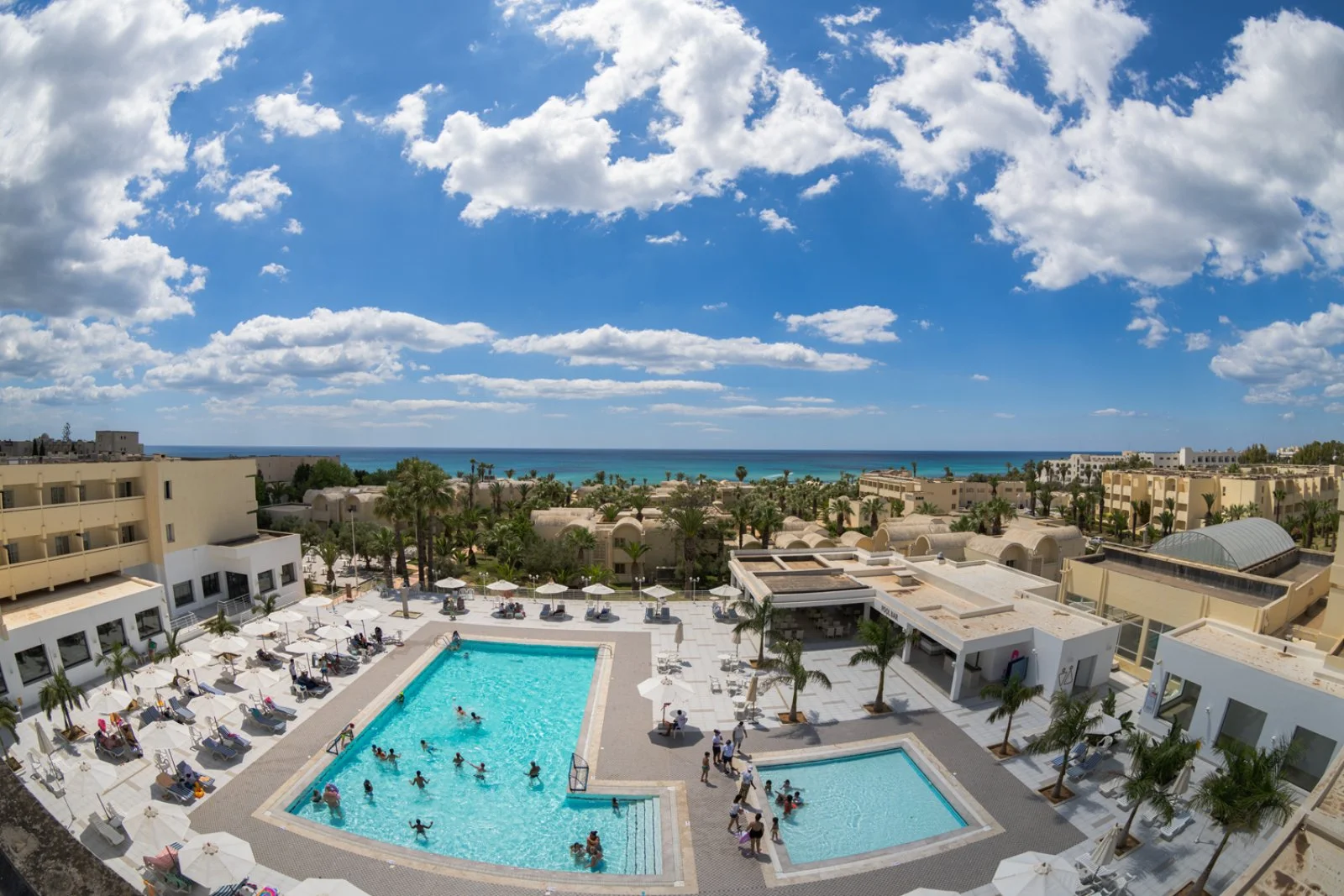
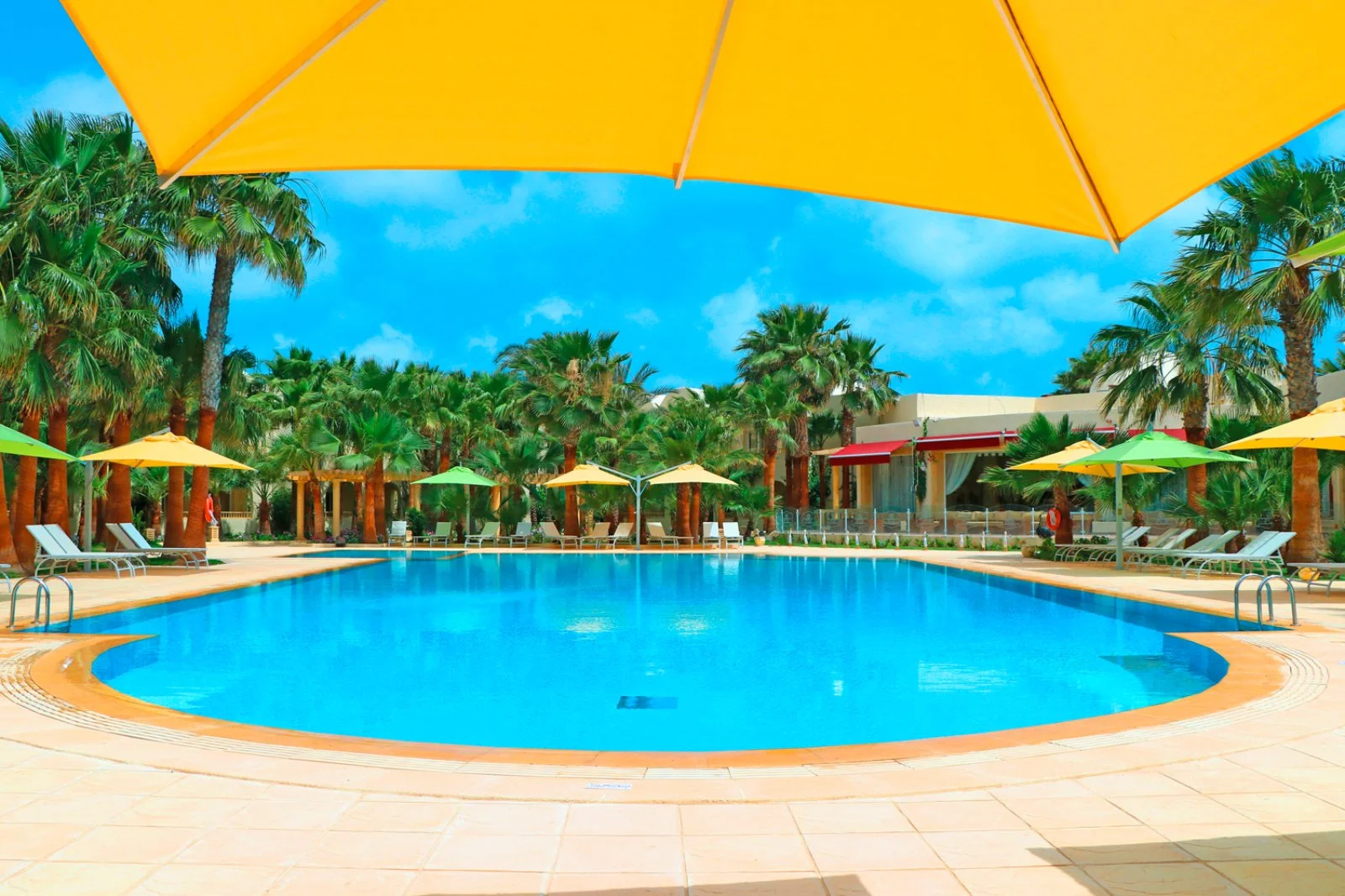
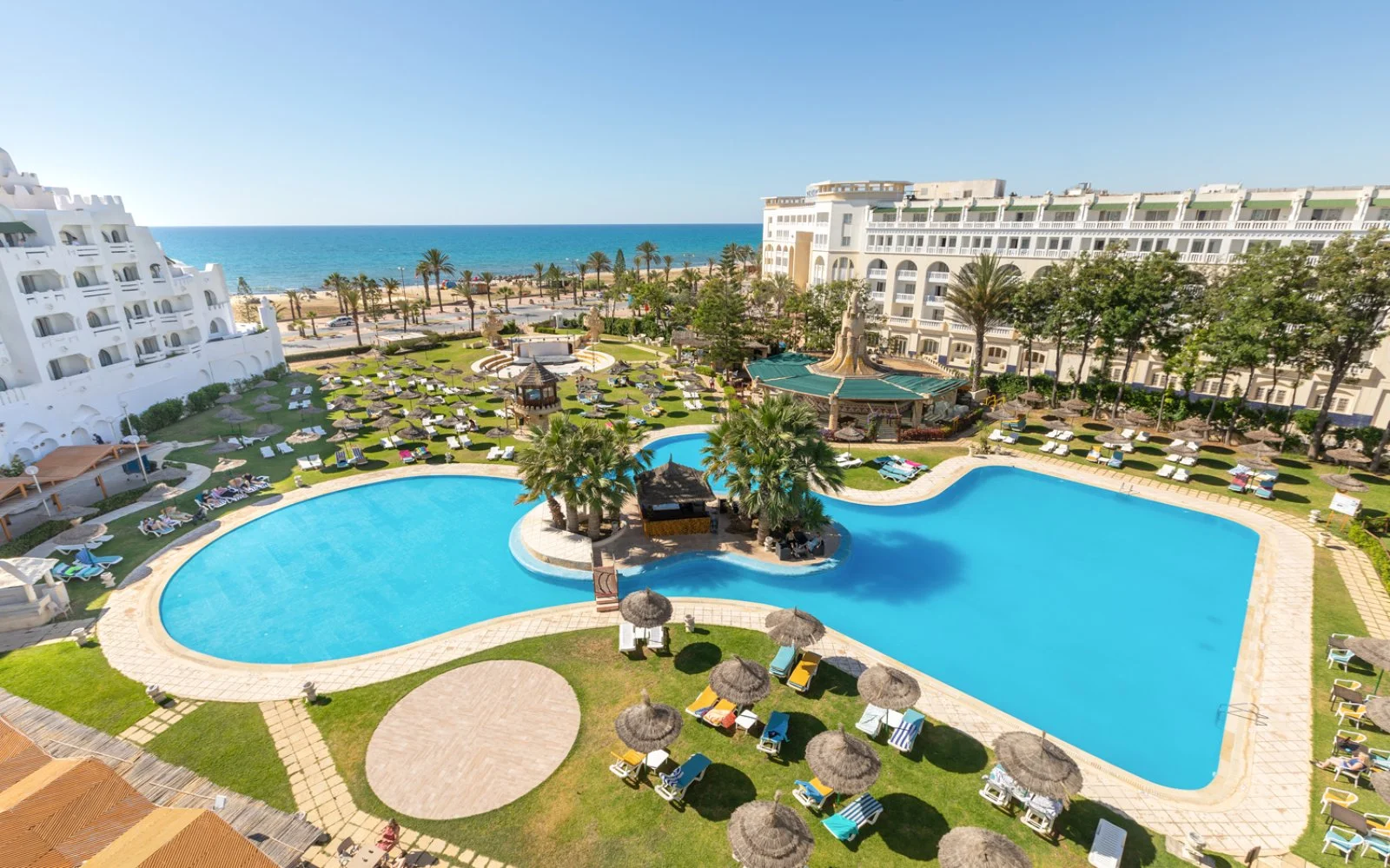
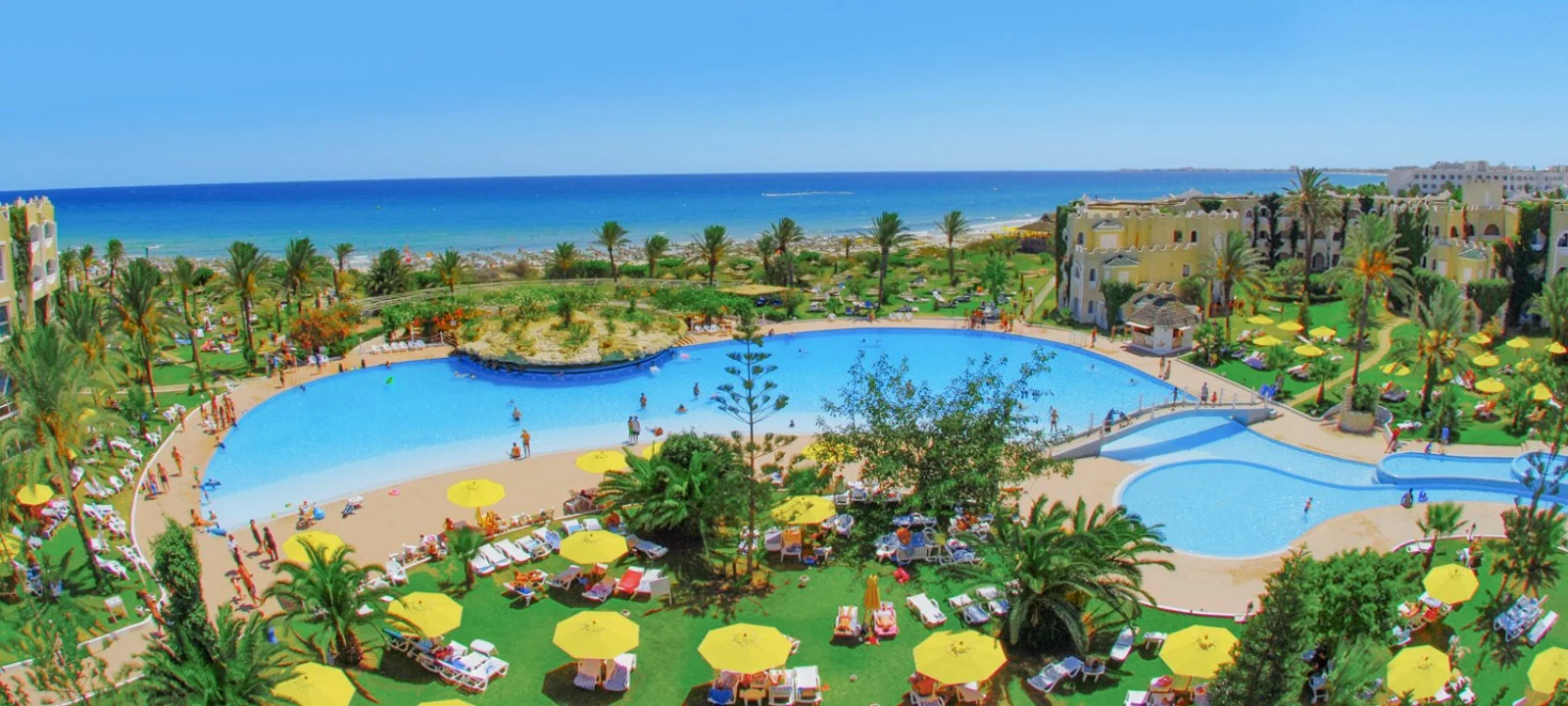
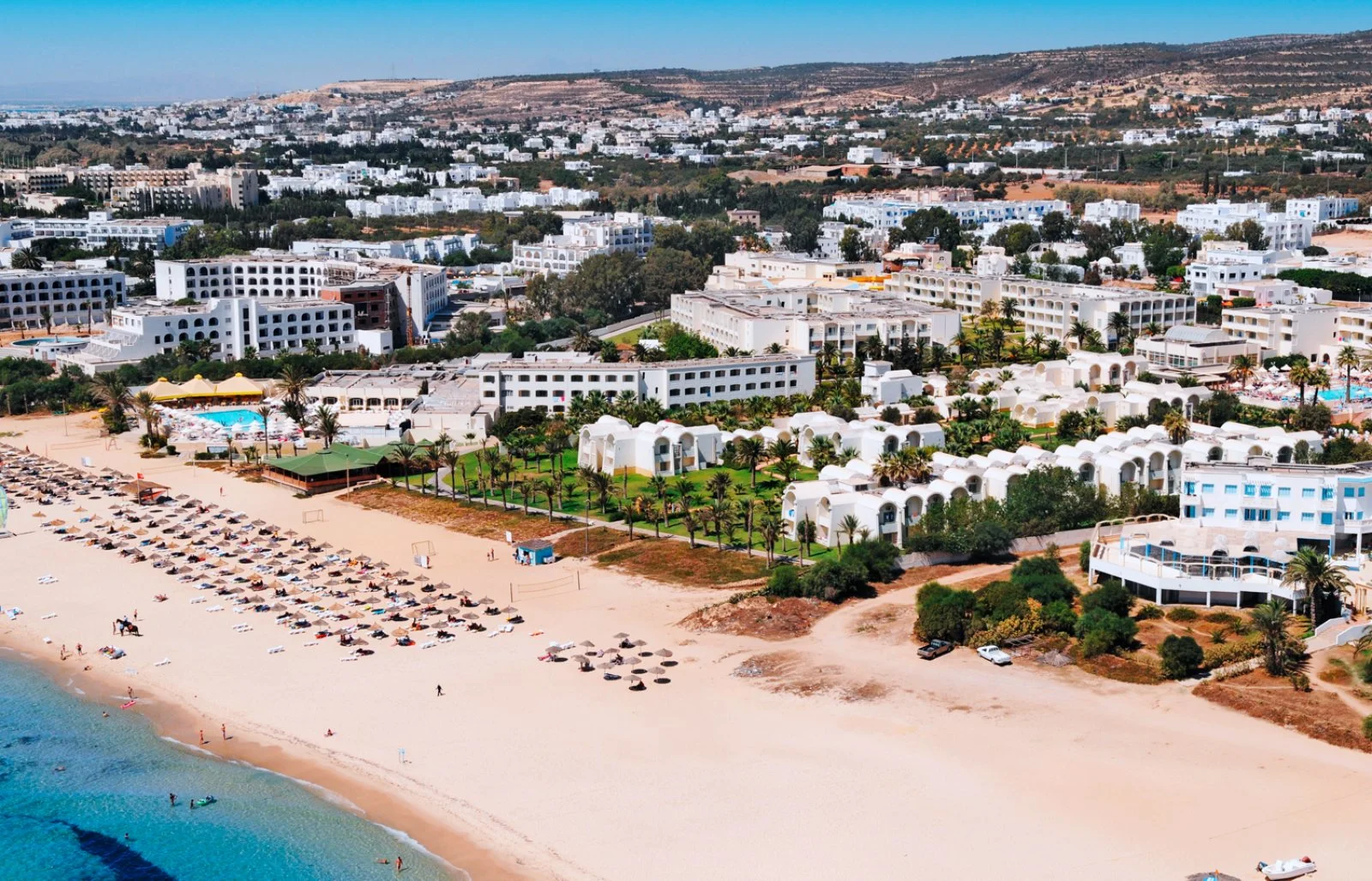
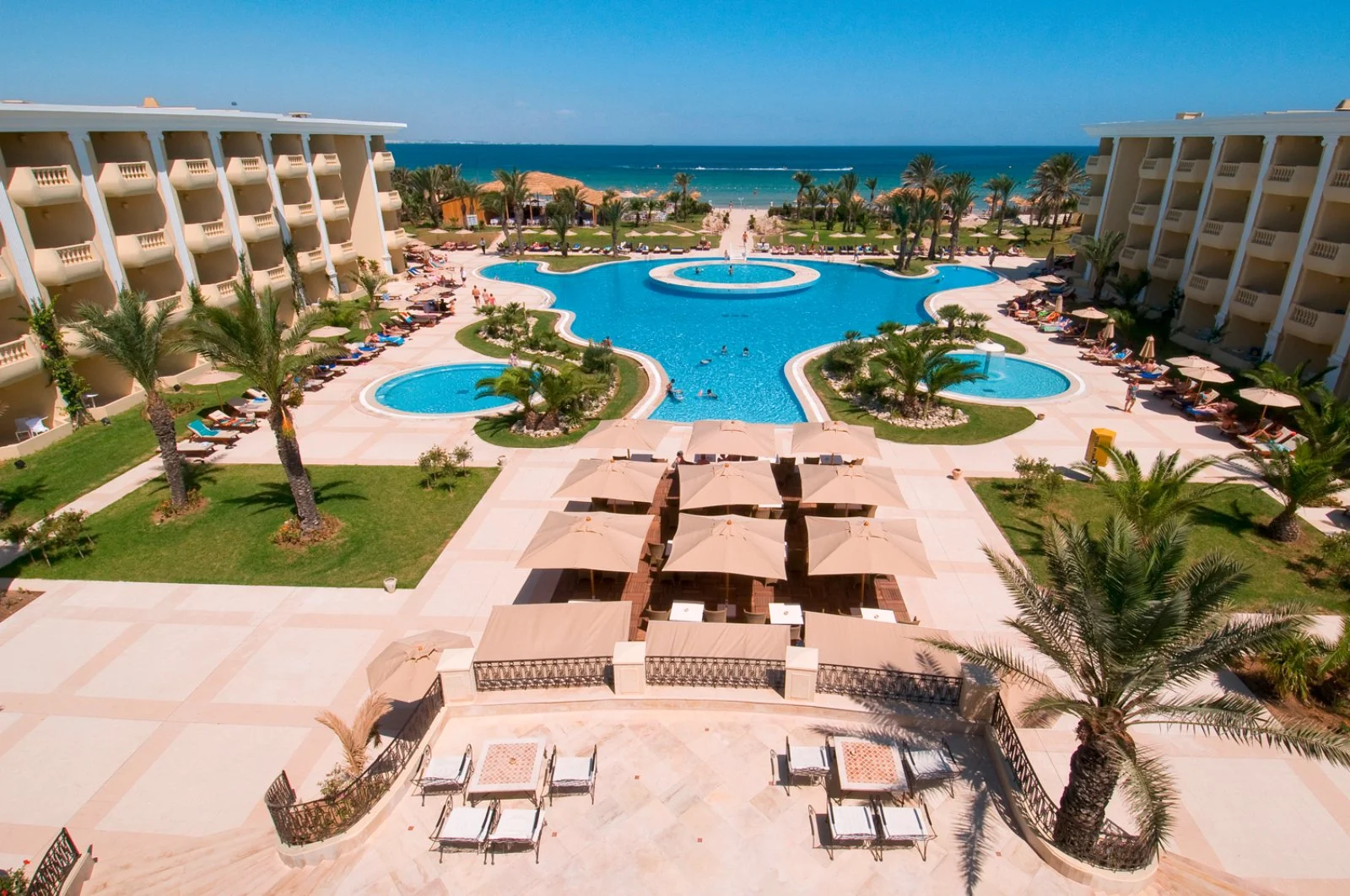
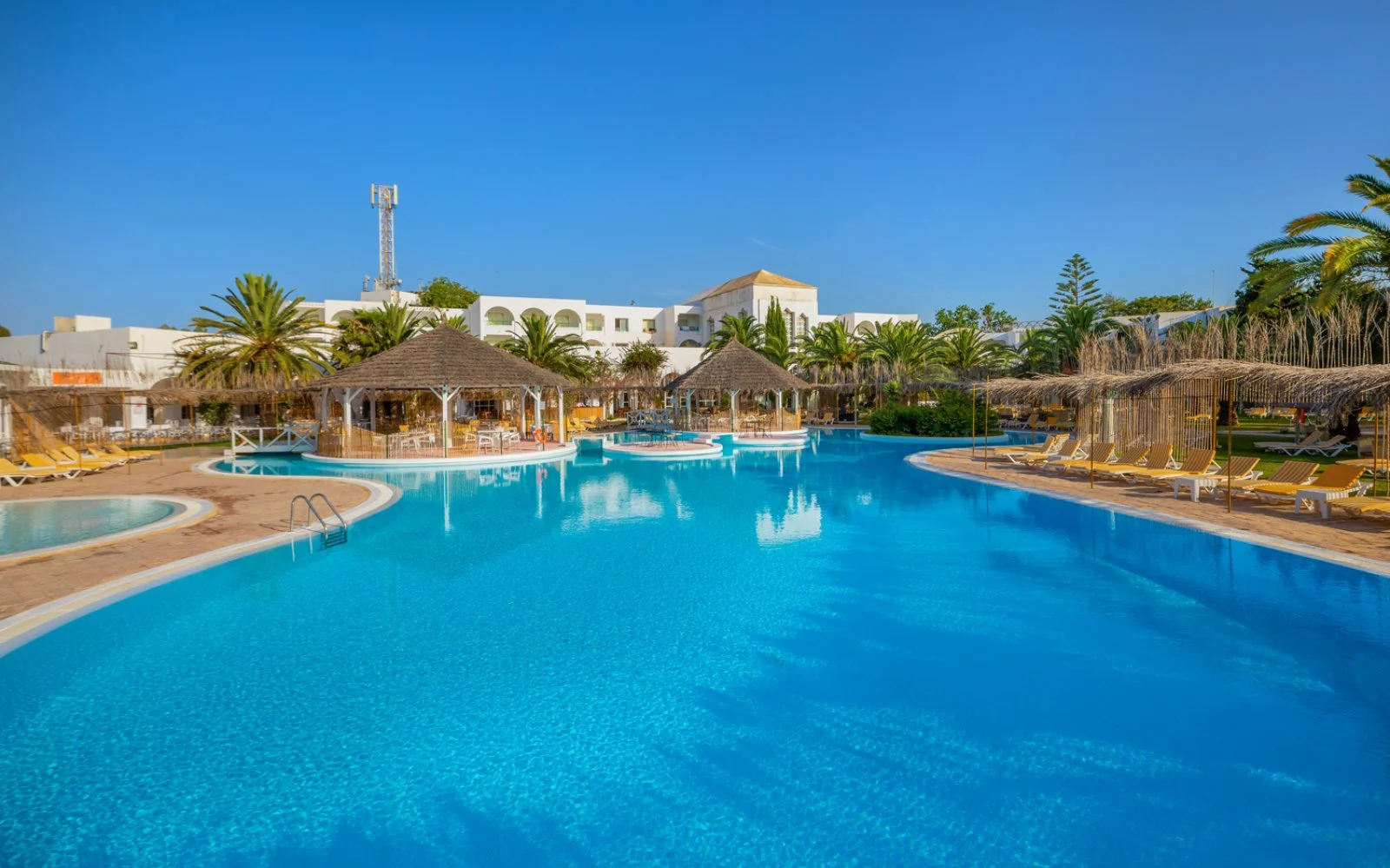
With more than 1,100 kilometres of coastline, Tunisia offers dream beaches that are every bit as good as the most far-flung exotic destinations. Hammamet and Sousse are the queens of relaxation, with their golden sandy shores and resorts offering some of the best thalassotherapy centres in the world. If you are looking for a more intimate atmosphere, the coves of Sidi Bou Said and the cliffs of Cap Serrat offer wild scenery and turquoise waters.
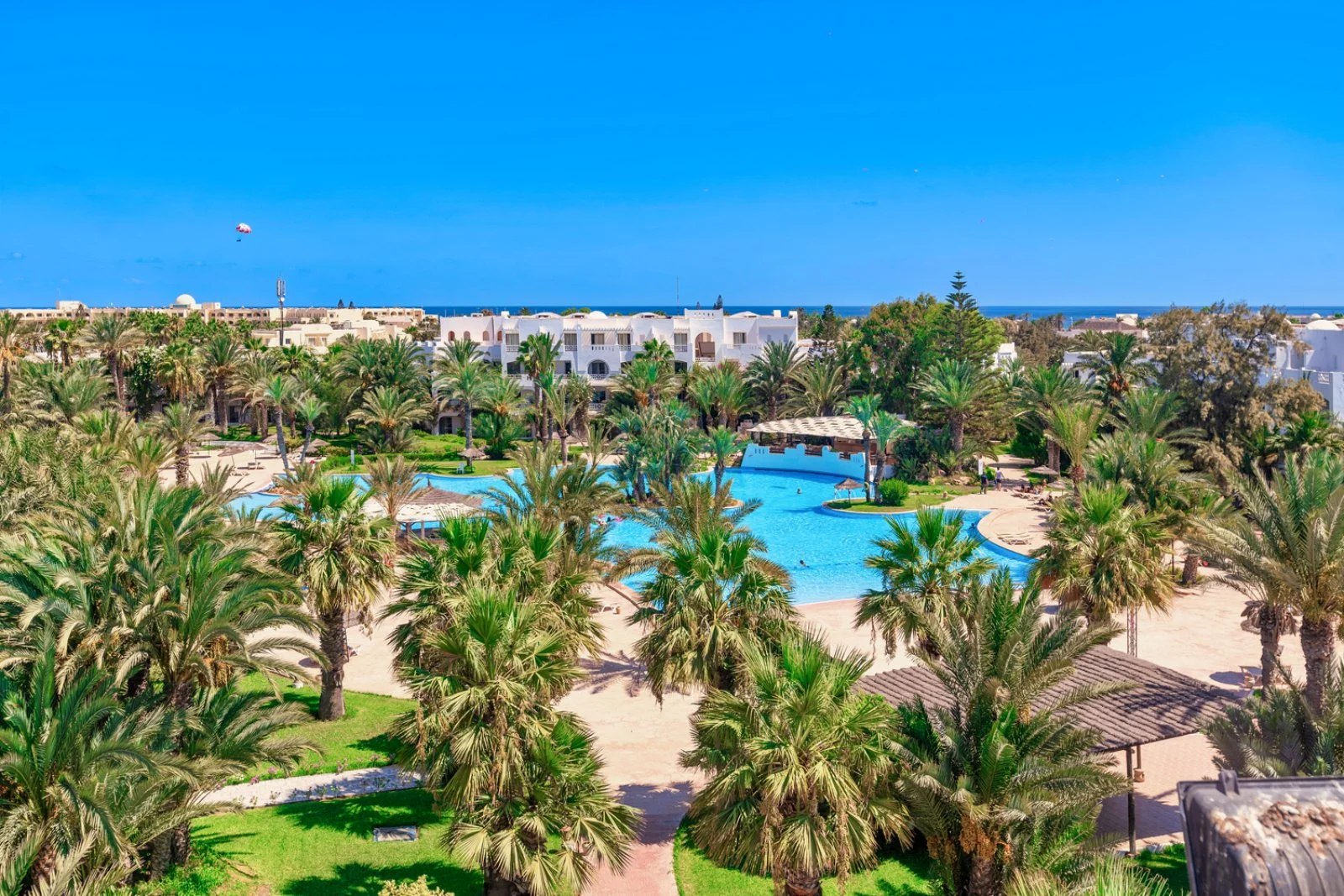
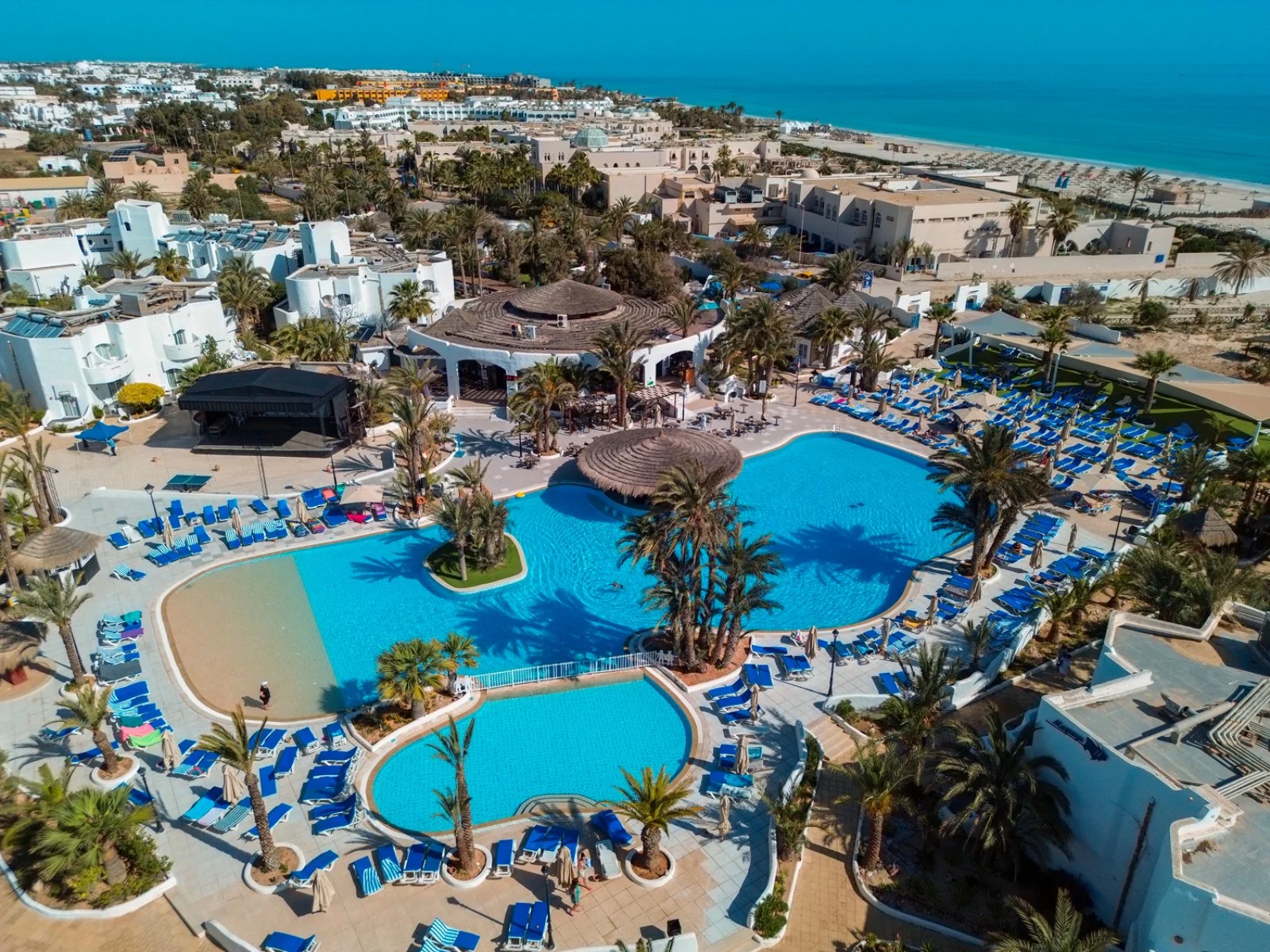
The island of Djerba, the “pearl of the south”, remains in 2026 the favourite destination for those seeking year-round sunshine: dazzling white beaches dotted with palm trees and a calm sea that is ideal for families and snorkelling enthusiasts. Tunisia’s Mediterranean climate guarantees long summers and mild winters, making a swim in the sea a pleasure you can enjoy for much of the year.
4. Nature and landscapes: from the green north to the golden south
Tunisia’s geographical variety is astonishing. The north is characterised by green mountains, cork oak forests and lakes that are home to flocks of pink flamingos. Heading south, the landscape changes dramatically and becomes lunar: the caves of Matmata, where Berber communities still live in troglodyte homes dug into the ground, have become world-famous as a film set for Star Wars.
No less impressive is Chott el Jerid, an immense salt lake that shimmers under the sun, creating spectacular mirages. Mountain oases such as Chebika and Tamerza, where waterfalls of fresh water gush between arid rocks, are small earthly paradises that bear witness to the resilience of life in the desert. This diversity of landscapes makes Tunisia an ideal destination for photographers and trekking enthusiasts.
5. Fascinating cities and architecture: white and blue
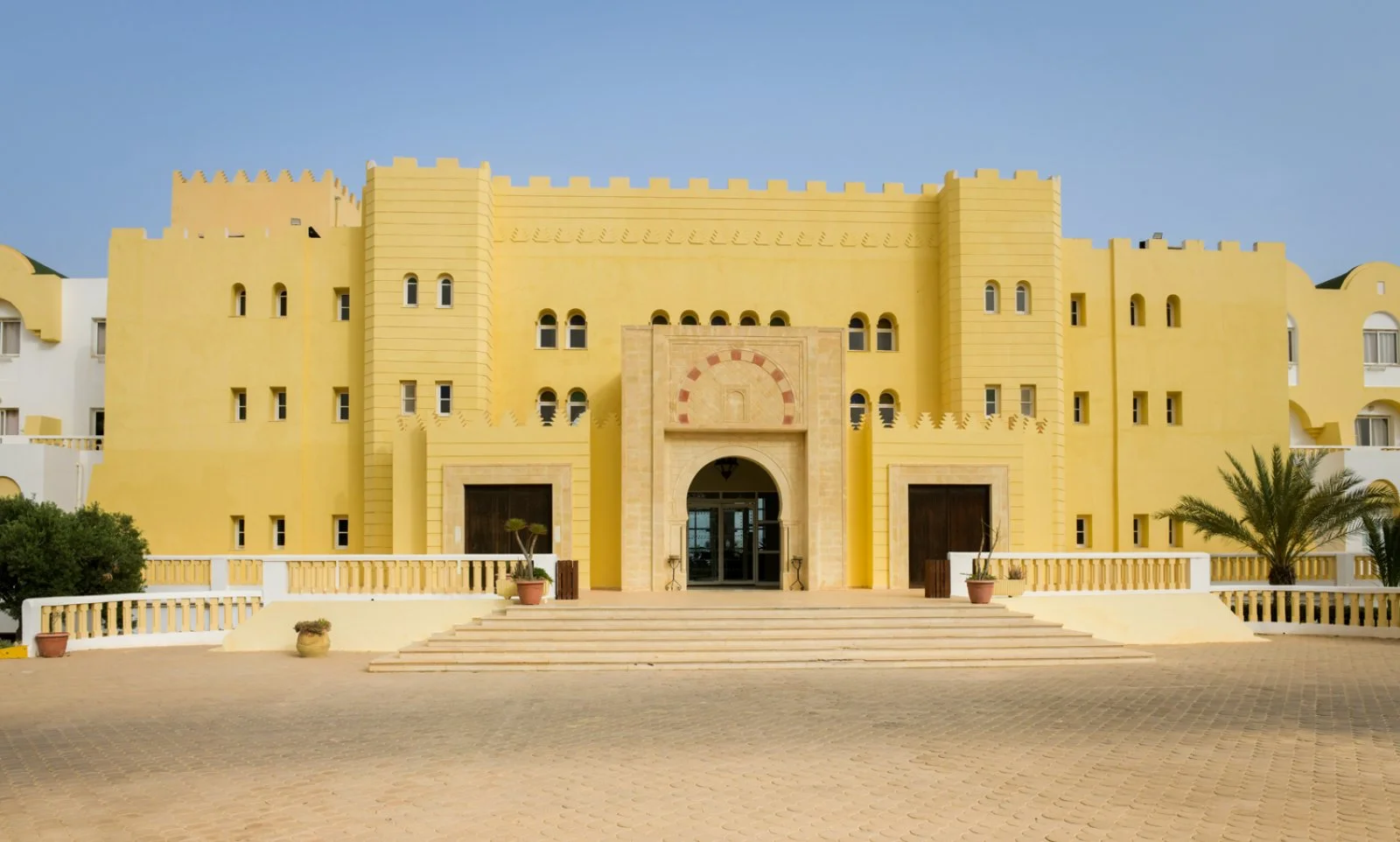
Tunisian aesthetics are a feast for the eyes. The Medina of Tunis, a UNESCO site, is a labyrinth of alleyways where ancient mosques, noble palaces and mausoleums hide behind colourful, finely decorated doors. Strolling here in 2026 means immersing yourself in architecture that has preserved the charm of centuries past.
Just a few kilometres from the capital lies Sidi Bou Said, an architectural gem overlooking the Gulf of Tunis. Known for the iconic contrast between its white walls and its blue doors and wrought-iron window grilles, this artists’ village is the perfect place for a mint tea with pine nuts at the famous Café des Nattes, admiring the sunset as it sets the sea below ablaze.
6. Desert adventure: the thrill of the Sahara
The Tunisian Sahara is the most fascinating gateway to the “Great Nothingness”. Experience the thrill of a safari departing from Douz (the gateway to the desert) or Tozeur, venturing among endless dunes aboard a 4×4 or on camelback. In 2026, the desert experience has become even more sought after thanks to luxury Bedouin camps that let you spend a night beneath a starry sky of absolute clarity.
Watching the sunrise over the dunes of the Grand Erg Oriental is a spiritual experience that reconnects you with nature. The fiery sunsets of the Sahara, where the sun seems to melt into the sand, are moments of pure magic that alone are worth the whole trip. The silence of the Tunisian desert is a rare luxury in the modern world, able to restore the spirit and leave indelible memories.
7. Delicious food: a triumph of flavours and spices
Tunisian cuisine is a feast for the palate, with intense flavours and enveloping aromas. The national dish is Couscous, prepared with fresh vegetables and wonderfully tender meat or fish, but the real treat is Brik, a thin, crispy pastry filled with egg, tuna and parsley.
You cannot talk about Tunisia without mentioning Harissa, the fiery chilli paste that accompanies almost every meal, or the superior-quality olive oil produced on the plains of the Sahel. Sweets made with honey, dates and almonds are the perfect end to a meal, always served with a fragrant mint tea with pine nuts, the universal symbol of local hospitality. In 2026, Tunisian gastronomy confirms its place as one of the healthiest and most flavourful in the Mediterranean basin.
Tunisia awaits you in 2026
Tunisia is a place that captivates you with its thousand-year history, diverse landscapes and refined, welcoming culture. Whether you are after relaxation, adventure or exploration, Tunisia has something special for everyone.