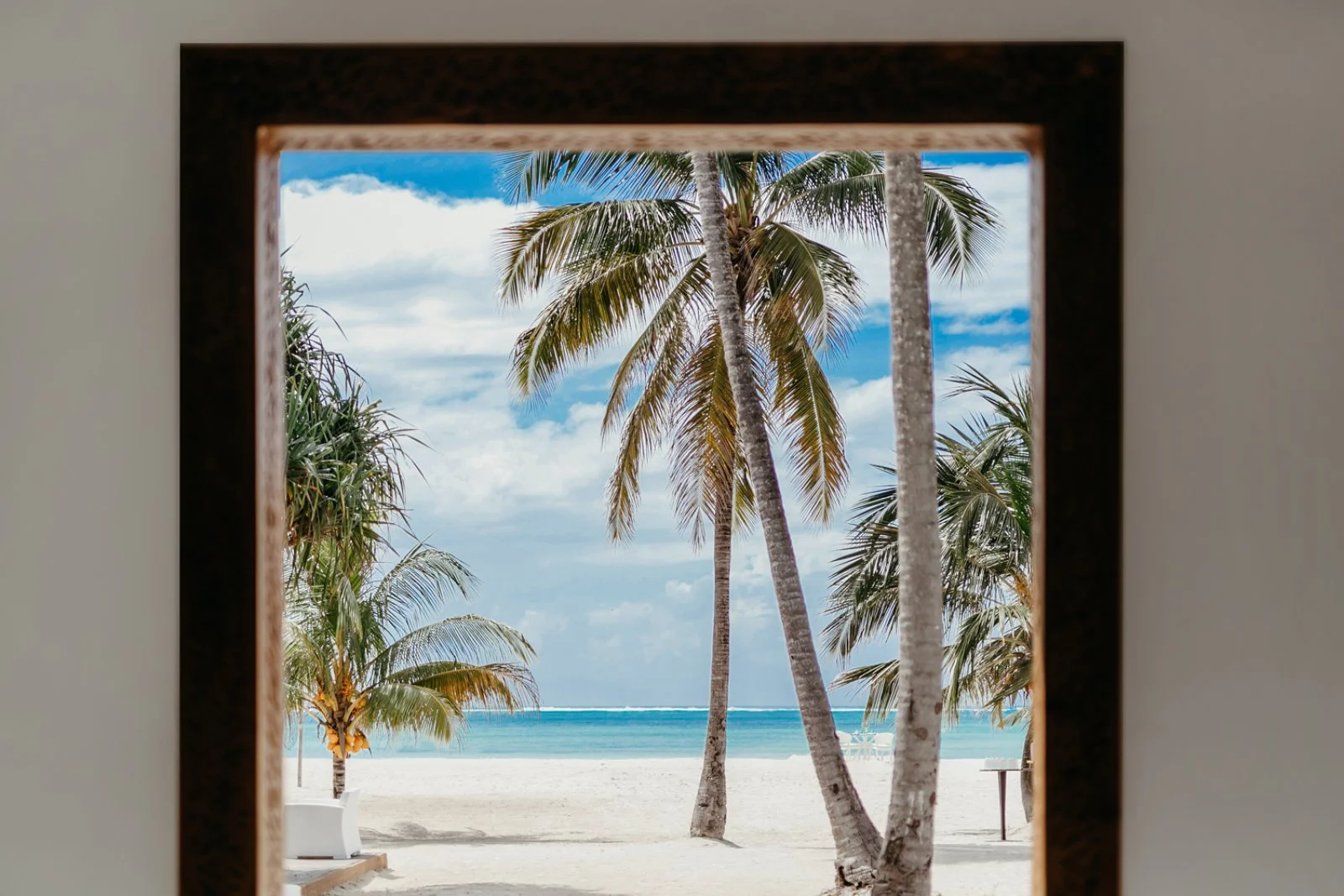
Zanzibar is not just a name that evokes adventure; it is a sensory experience that redefines the very idea of the exotic. In 2026, this Tanzanian archipelago confirms itself as the undisputed pearl of the Indian Ocean, a place where time seems to have stopped in the era of sultans and silk merchants. Here, the dazzling white of the beaches contrasts with the emerald green of the primordial forests and the red sunset that sets the sails of the dhows ablaze. Visiting Zanzibar today means immersing yourself in a crossroads of civilisations, where Africa embraces Arabia and India, offering travellers a mosaic of scents, colours and smiles that stay imprinted on the soul.
Here are the 7 main reasons why Zanzibar should be your destination in 2026.
1. Dreamy beaches: the endless white of coral🌊
Zanzibar’s beaches are true picture-postcard paradises, with silky white sand of coral origin that never gets too hot under the equatorial sun. Nungwi and Kendwa, in the north, are the most popular spots as they are less affected by the big tides, offering turquoise waters that are always good for swimming and breathtaking sunsets.
For those looking for a wilder, more intimate experience, the east coast, with beaches such as Matemwe and Pwani Mchangani, offers a dynamic natural spectacle: here the ocean retreats for hundreds of metres, revealing seaweed gardens farmed by local women and natural pools full of starfish. In 2026, Zanzibar is promoting responsible tourism along these coasts, allowing visitors to enjoy the sea with full respect for the fragile ecosystems that live in it.
2. Fascinating history and culture: the heart of Stone Town🏛️
You can feel the beating heart of Zanzibar as you stroll through the maze-like alleys of Stone Town, a UNESCO World Heritage Site. This historic town is an intricate labyrinth of streets where every corner tells of centuries of Arab, Persian, Indian and European influences. The famous “Zanzibar doors”, masterfully carved in teak, are symbols of status and history that adorn the ancient coral-stone palaces.
Unmissable stops for history lovers are the House of Wonders, the Old Fort and the Freddie Mercury House, home of the legendary Queen frontman, who was born right here. Visiting the old slave market, now the site of an Anglican cathedral, is a moment of deep reflection on the island’s past, making a trip to Zanzibar a complete cultural experience that goes far beyond simple beach relaxation.
3. A unique gastronomic experience🍛
Zanzibar’s cuisine is an explosion of flavours that reflects its historic role as a trading port. In 2026, the culinary scene has been enriched by gourmet restaurants, while keeping its roots firmly in the popular markets. Spiced Biryani and pilau are the Sunday dishes, while ultra-fresh fish and grilled octopus marinated in coconut milk are the kings of the coastal table.
An experience not to be missed is Forodhani Market at sunset. This night market in Stone Town turns into a culinary stage where local chefs prepare mishkaki (skewers of spiced meat) and the famous Zanzibar Pizza. The latter is a delicious cross between a crêpe and a calzone, filled with all kinds of delicacies, from creamy cheese to local spices, and has now become the symbol of the island’s street food.
4. The Spice Island: a sensory tour🫚
Zanzibar is known around the world as “the Spice Island”, and in 2026 this tradition is more alive than ever. Historically, the island was one of the world’s largest producers of cloves, but today’s plantations also grow nutmeg, cinnamon, ginger, black pepper and prized vanilla.
Taking part in a guided Spice Tour is not just a tourist activity but an educational journey. You will have the opportunity to touch, smell and taste the spices straight from the plant, discovering their medicinal properties and the essential role they play in cosmetics and international cuisine. It is an experience that awakens the senses and helps you understand the deep bond linking the land of the Zanzibaris to the global economy of the past and present.
5. Nature and exotic wildlife: treasures on land and at sea🐵
Zanzibar’s natural wealth is extraordinary and boasts endemic species found nowhere else in the world. In Jozani Forest, the island’s last indigenous forest, you can spot the rare Zanzibar Red Colobus ((Piliocolobus kirkii), a monkey with a rust-coloured coat that lives exclusively in this habitat. Walking among the mangroves and giant mahogany trees of the forest is a plunge into tropical biodiversity at its purest.
For sea lovers, 2026 sees the strengthening of the marine protected areas. Mnemba Atoll is the sanctuary of snorkelling and diving: its crystal-clear waters are home to sea turtles, shoals of surgeonfish and, very often, pods of bottlenose dolphins swimming freely. Protecting the coral reefs is a priority here, giving visitors the chance to admire a natural aquarium that is intact and teeming with life.
6. Perfect weather all year round: an eternal tropical summer☀️
Thanks to its privileged position south of the Equator, Zanzibar enjoys a pleasant tropical climate 365 days a year. With average temperatures holding steady between 25 and 30°C, the archipelago is the perfect escape from the European winter cold or the ideal destination for an unforgettable summer holiday.
The period between June and October is characterised by clear skies and light breezes, ideal for excursions and kitesurfing around Paje and Jambiani. From November to March, the climate becomes hotter and more humid, making the waters of the Indian Ocean as warm as a thermal bath, perfect for anyone who wants to spend hours on end soaking among the corals. Whichever month you choose, Zanzibar welcomes travellers with the warmth of the sun and the softness of the ocean air.
7. A warm welcome and the “Hakuna Matata” spirit⛵
The real secret of Zanzibar’s beauty lies in its people. Zanzibaris are famous for their legendary hospitality, summed up in the well-known greeting “Jambo” and in the philosophy of life “Hakuna Matata” (no worries). Strolling through the fishing villages, you can watch craftsmen carving wood or building dhows, the traditional sailing boats that have plied these seas for over a thousand years.
A must-do experience in 2026 is a sunset cruise aboard a dhow: gliding silently over the water while the crew sings Taarab songs and the sun disappears below the horizon is a moment of absolute peace. This welcoming spirit, combined with a proud and smiling culture, turns your trip into a deep human connection that will make you feel part of this magical island from the very first moment.
Zanzibar awaits you in 2026
Zanzibar is much more than a beach destination; it is a paradise where wild nature and thousands of years of history blend in perfect harmony. If you are looking for a trip that regenerates the body with the sea and the mind with culture, the Spice Island is your ultimate destination.