Tanzania is not simply a trip; it is the very essence of primordial Africa. In 2026, this country confirms itself as the ultimate destination for those seeking a complete life experience, combining the snow-capped peaks of the “Roof of Africa” with the most pristine coral reefs of the Indian Ocean. Here, nature is not a backdrop but a dominant force that sets the rhythm of time. Visiting Tanzania today means witnessing the spectacle of creation in the Ngorongoro Crater, losing yourself in the endless plains of the Serengeti and finding peace again in the clove-scented alleys of Stone Town.
Here are the 7 main reasons why Tanzania should be your destination in 2026.
1. Legendary safaris: the Serengeti and the Great Migration 🦓
Tanzania is home to the most iconic safaris on the planet. Serengeti National Park is a unique ecosystem where every year the miracle of the Great Migration takes place: over one and a half million wildebeest and hundreds of thousands of zebras moving en masse in search of green pastures. In 2026, eco-friendly tented camps offer a privileged position from which to watch the predators — lions, cheetahs and hyenas — that follow the herds in this eternal struggle for survival.
Next to the Serengeti, the Ngorongoro Crater is a geological marvel: an ancient volcanic caldera with the highest density of wildlife in Africa. Inside the crater, in a relatively small area, you can spot the “Big Five” in a single morning, surrounded by 600-metre-high rock walls that create an unrivalled natural Garden of Eden.
2. The Roof of Africa: the Kilimanjaro challenge ⛰️
For lovers of extreme adventure, Tanzania offers the majestic Mount Kilimanjaro. At 5,895 metres, it is the highest free-standing mountain in the world and the highest peak on the continent. Climbing Kilimanjaro in 2026 is an experience that tests human determination, crossing five different climate zones: from tropical rainforest to the permanent glaciers of the summit.
Reaching Uhuru Peak at dawn, as the sun rises above the clouds and lights up the curvature of the earth, is a moment of pure transcendence. Technical mountaineering equipment is not required, but good physical preparation and an experienced guide are essential to enjoy one of the most famous and rewarding treks on earth.
3. Zanzibar and the spice islands: an exotic paradise
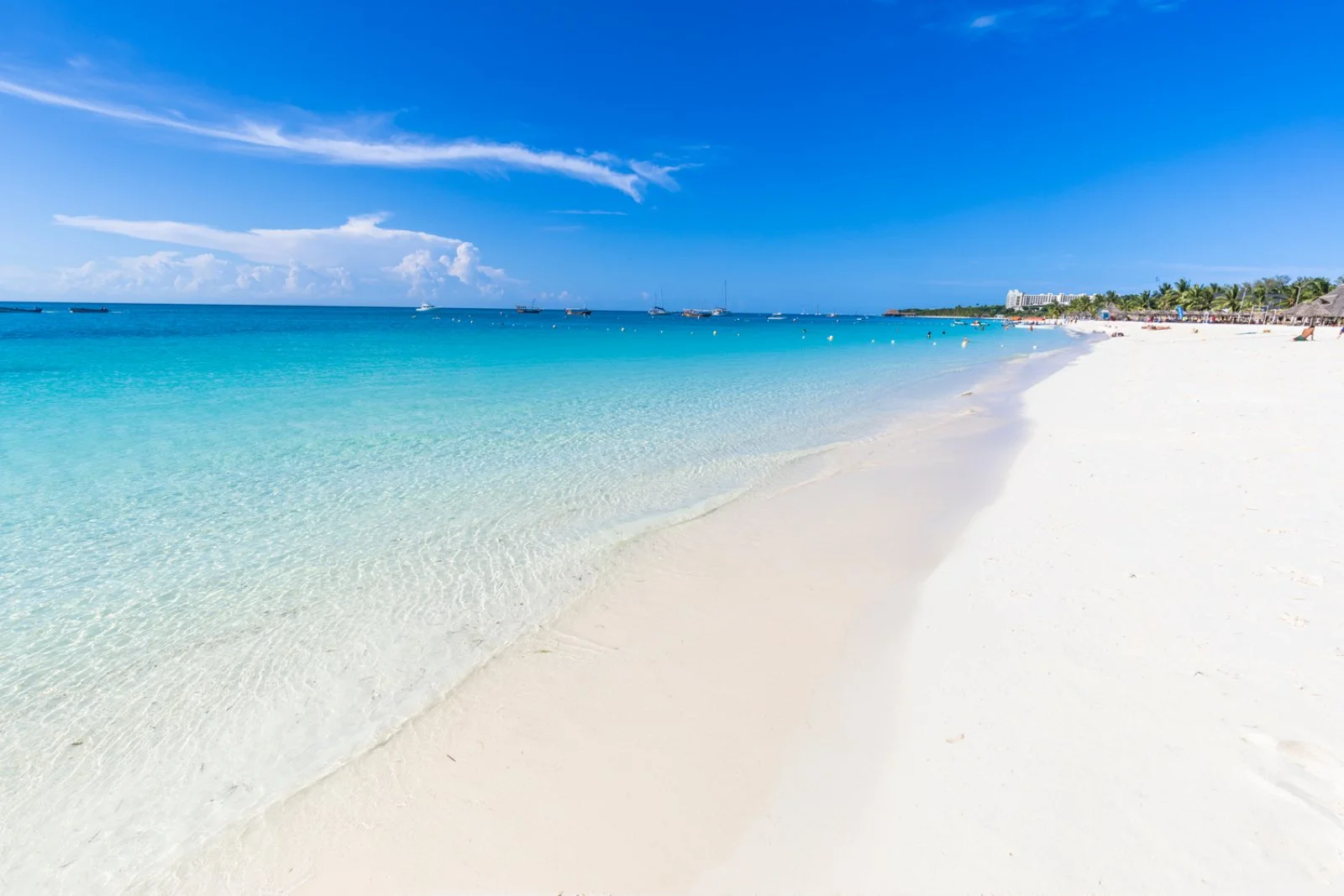
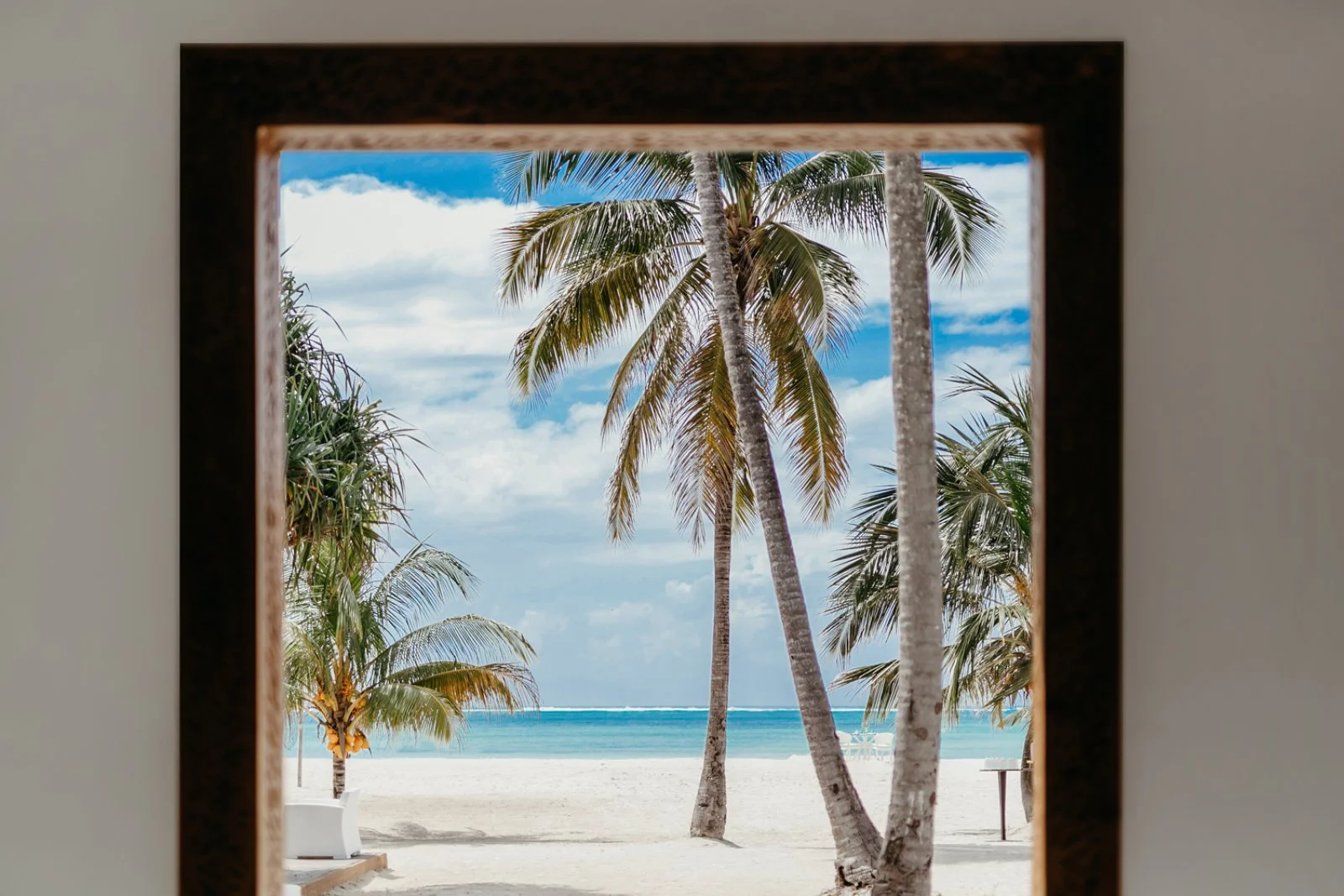
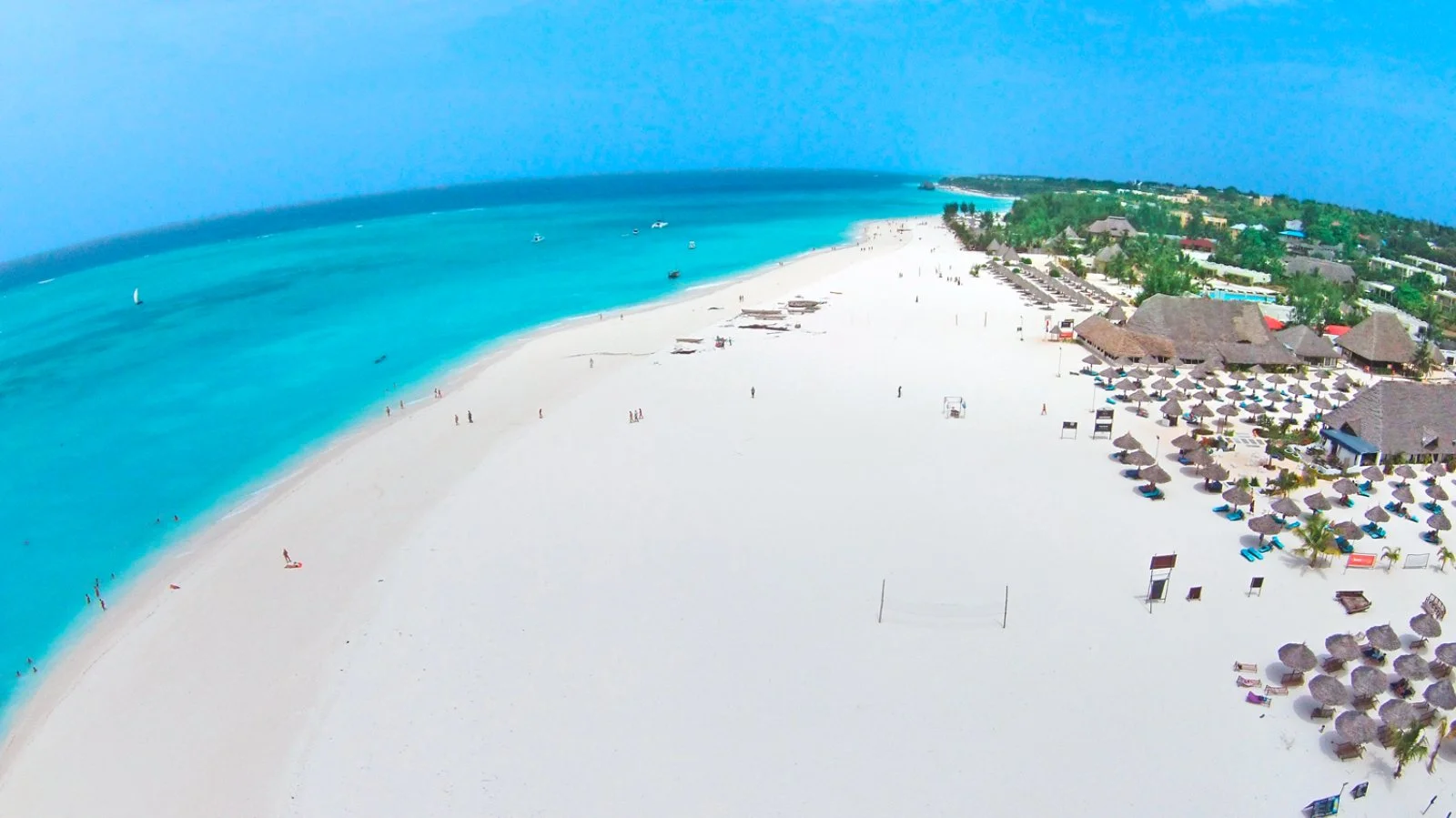
After the dust of the savannah, there is no better refuge than the archipelago of Zanzibar. The main island, Unguja, enchants with its talcum-white sandy beaches and the electric turquoise waters of Nungwi and Kendwa. In 2026, Zanzibar has managed to balance luxury tourism with the preservation of its historic identity. . Stone Town, , the ancient heart of the capital, is a labyrinth of stone alleys where Arab, Indian and European architecture blend together. The air is fragrant with cinnamon, vanilla and ginger, a legacy of the centuries when the island was the world centre of the spice trade. Exploring the local markets and the ancient carved doors is a sensory journey that tells stories of sultans and merchants.
4. Unrivalled biodiversity: from primates to the giants of the sea🐵
Beyond the classic safaris, Tanzania boasts an extraordinary variety of fauna and flora that few other countries can offer. In the remote Gombe Forest, on the shores of Lake Tanganyika, you can enjoy the unique thrill of watching chimpanzees in their natural habitat, following in the footsteps of the renowned primatologist Jane Goodall. It is one of the few places in the world where eye contact with our closest relatives is so intimate and profound.
In the south of the country, Ruaha National Park offers even wilder and less crowded nature, home to some of the largest populations of lions and leopards in Africa. And for those who look beneath the surface of the water, Mafia Island is a secret paradise: its coral reefs are intact and offer the chance to swim with majestic whale sharks, gentle giants that frequent these waters between October and March.
5. Perfect weather all year round: the warmth of the Equator☀️
Tanzania enjoys a tropical climate tempered by altitude, making it a rewarding destination to visit in any season. The dry season, from June to October, is considered the golden period for safaris: the grass is short, the animals gather around the few remaining waterholes and visibility is at its best. It is also the ideal time for trekking on Kilimanjaro thanks to the clear skies.
The period from November to March, although it includes short refreshing showers, is perfect for those who want to enjoy the beaches and diving, with water temperatures close to 28°C. This is also the “green season” in the Serengeti, when thousands of young animals are born and the landscape turns a vibrant emerald, offering photographic scenes of moving beauty and more competitive prices.
6. Authentic cuisine: the flavours of the African melting pot🍛
Tanzanian cuisine reflects its history, a delicious mix of African flavours, Indian influences and Arab traditions. The staple dish is Ugali (maize porridge), but it is in the coastal areas that the cuisine truly explodes: Pilau Rice and Biryani, rich in fresh spices, are masterpieces of balanced flavour.
In Zanzibar, you cannot miss the “Zanzibar Pizza” at the night markets of Forodhani Gardens or the ultra-fresh fish cooked in coconut milk and curry. Every meal in Tanzania is an act of hospitality, often accompanied by deliciously sweet tropical fruit such as mango, papaya and pineapple that grow abundantly under the equatorial sun, making every tasting an indelible memory.
7. Warm hospitality and the “Karibu” spirit🤗
Tanzanians are renowned throughout the world for their genuine kindness and welcoming spirit, summed up in the Swahili word “Karibu” (welcome). Visiting the Maasai villages in the Highlands or the fishing villages along the coast lets you discover age-old traditions, gravity-defying tribal dances and customs that place community and respect for the land at their heart.
A must-do experience in 2026 is a sunset cruise aboard a dhow, the traditional Arab sailing boat: gliding silently over the water as the fishermen return with the day’s catch is a moment of absolute peace. The local markets, with their vivid colours, brightly patterned kanga fabrics and friendly smiles, make the trip not just a holiday but a deep human connection that will make you feel at home in a faraway land.
Tanzania awaits you in 2026
Tanzania is a wild paradise just waiting to be explored. It is a land that demands respect and gives back wonder, a place where nature still speaks an ancient and powerful language.